Security
Why Your Website Needs SSL (HTTPS) and How It Affects Google
What an SSL certificate is, how it protects visitors, why Chrome flags non-HTTPS sites as “Not secure” and which type of SSL to choose.
 Security
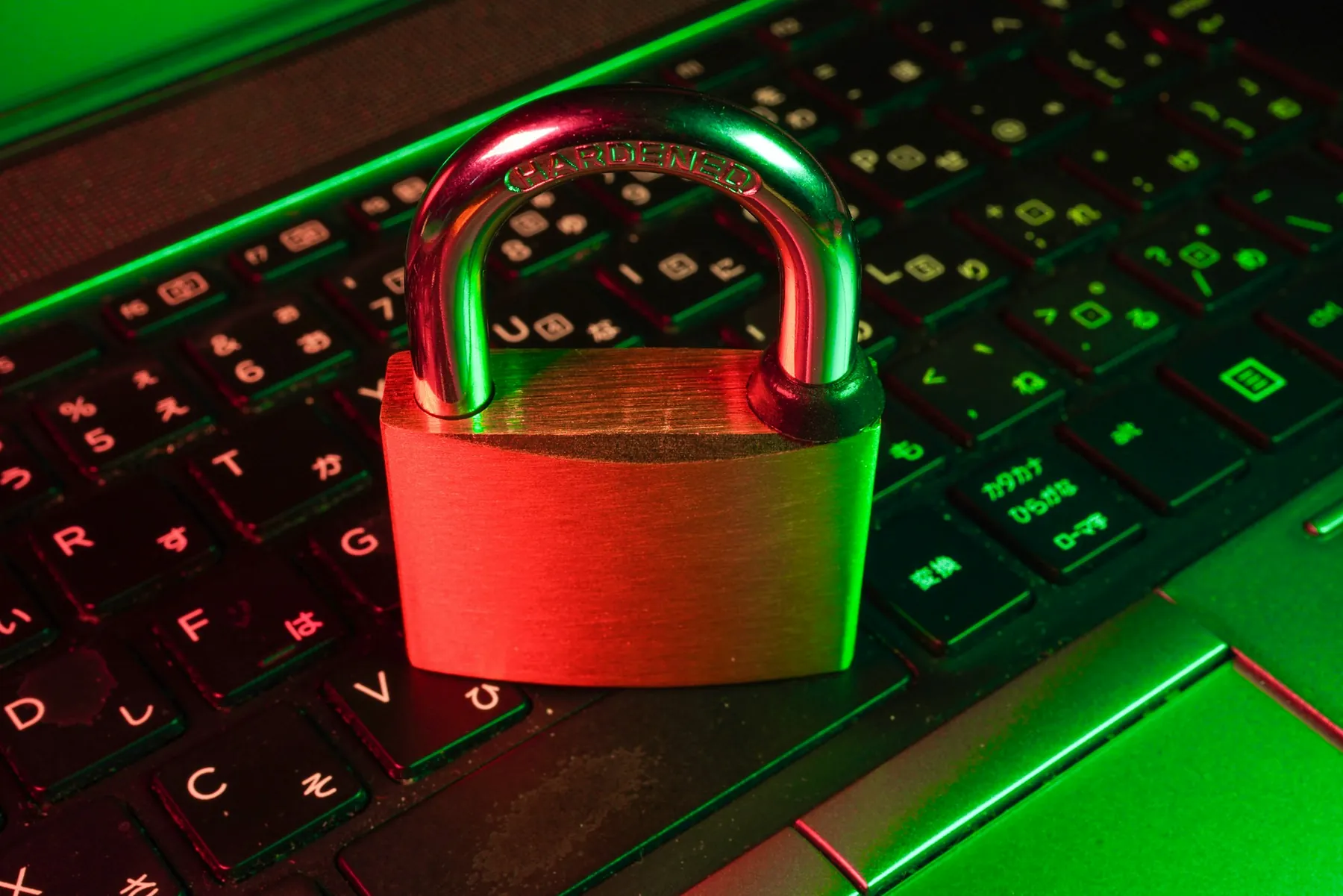
When visitors see the padlock next to a website address, they know the connection is secure. That padlock comes from an SSL certificate, a basic element of every modern website.
What does SSL do?
SSL (today TLS) encrypts the data between the visitor’s browser and your server. Passwords, card details and form submissions cannot be read by third parties along the way.
Why it matters for your business
- Trust: Google Chrome and other browsers label every site without HTTPS as “Not secure”. That drives customers away, especially on pages with forms or payments.
- SEO: Google has confirmed HTTPS as a ranking signal since 2014.
- Payments: payment processors require secure connections.
- Modern features: many browser technologies only work over HTTPS.
Which type of SSL should you choose?
- DV (Domain Validation): verifies domain ownership. Issued quickly; ideal for websites and blogs.
- Wildcard: one certificate for the domain and all its subdomains (e.g. shop.business.al, blog.business.al).
- EV (Extended Validation): full company verification; for banks, e-commerce and large companies.
After installation, don’t forget
- Redirect all traffic from http:// to https://.
- Update internal links and images so they load over HTTPS.
- Update the address in Google Search Console.
- Keep an eye on the expiry date and renew on time.
SSL is no longer optional. It is the simplest way to show you take your customers’ security seriously.
Ready to start?Choose an SSL certificate
Choose an SSL certificate Share